



Flood Prevention in Saxony: From Isolated Preparedness to Shared Resilience – A Holistic Case Study Approach in Saxony
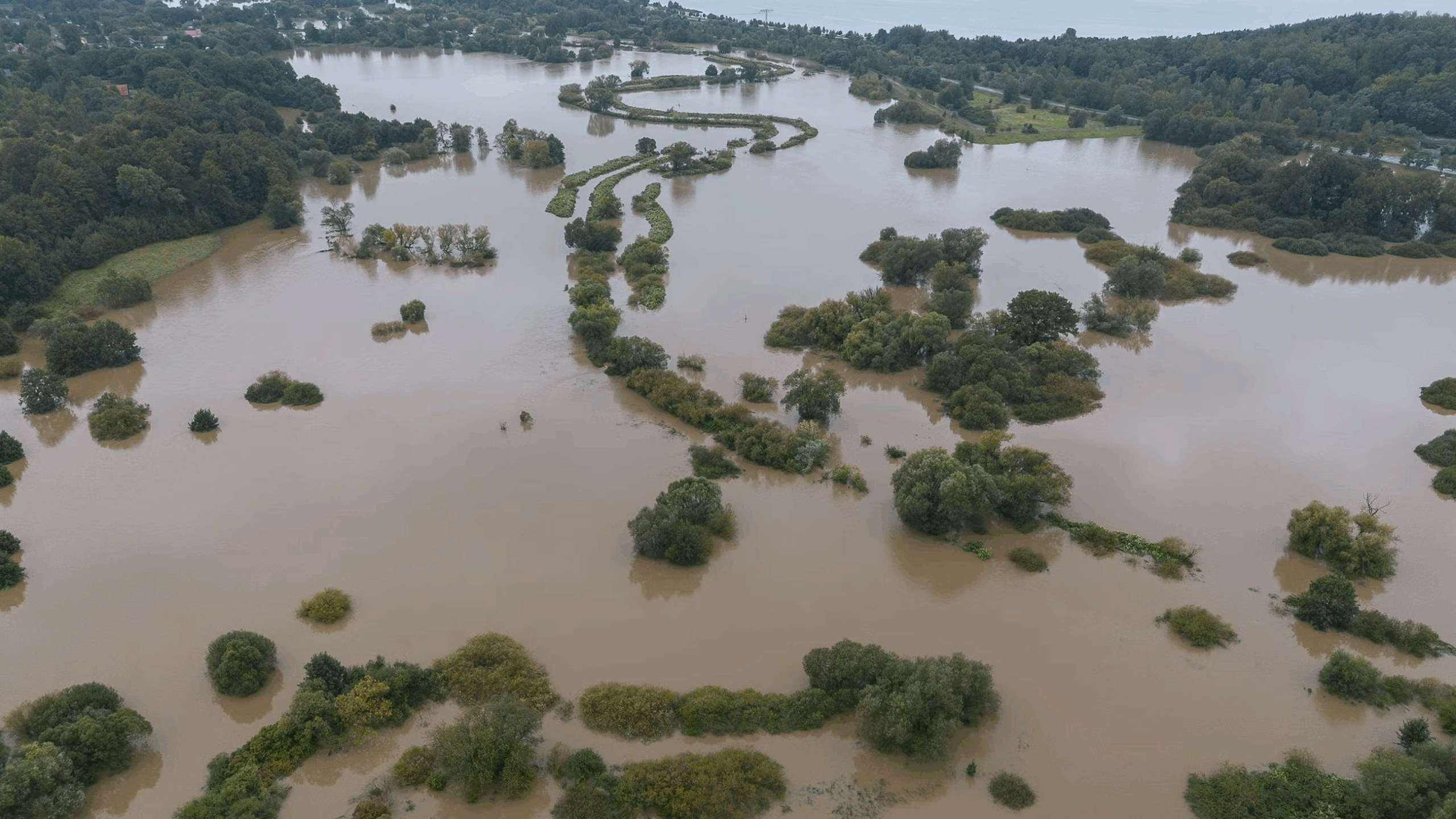
(Source: Paul Glaser, German Press Agency)
Introduction
As flood risks increase in severity and frequency, particularly in Saxony, we are confronted not only with physical challenges but also with societal and behavioral ones. At the intersection of policy, insurance, and individual responsibility lies a critical question: how can we close the protection gap in private flood prevention? Our current work addresses this question through a multi-faceted case study based in Saxony. This blog post outlines our ongoing activities regarding the climate resilience dialogues (CRD). Rather than organizing a single large-scale event to bring all stakeholders together, we deliberately chose a decentralized strategy. By hosting a series of smaller, localized meetings and events, we can capture the diverse perspectives and lived experiences of those affected. This approach allows us to closely examine the decision-making processes behind private flood protection measures—an essential step toward designing more effective and inclusive adaptation strategies.
Why Shared Resilience?
Inspired by EIOPA’s concept originally developed for pandemics, shared resilience emphasizes that no single sector can tackle climate-related risks alone. Households, insurers, governments—each must contribute. The concept is based on four key principles: Sharing costs & responsibilities, central coordination, mitigation and adaptation and the fact, that insurance von only cover a part of the economic costs occurring. In Saxony, where some regions have been flooded up to 18 times in the past two decades, the urgency to act is undeniable. Despite this, private insurance uptake remains low, and adaptation measures are often insufficient. Behavioral theory helps explain this disconnect. While financial constraints do play a role, studies show that perception, trust, experience, and emotion are just as critical. Hopelessness, mistrust in institutions, or even denial can prevent individuals from acting—even when objective risks are high. This insight guides our approach: effective flood prevention requires not just subsidies or checklists but personal engagement, tailored communication, and trusted networks.
Activities outside of the Project
In Saxony, the Flood Competence Center plays a key role in bridging the gap between science, policy, and citizens. By actively engaging with municipalities and residents, it facilitates communication on flood risks and promotes the use of the flood certificate as a tool for individualized protection planning. The center also organizes regular conferences that focus on flood damage prevention and showcase technical solutions for building-level protection. Complementing these efforts, the State of Saxony provides accessible flood risk and heavy rainfall maps, equipping the public with vital information to better understand and manage their exposure to natural hazards.
Our Activities: a decentralized CRD approach to involve the most important stakeholders
1. Information Campaigns with Local Partners
Together with the Consumer Association of Saxony, we launch a targeted flood awareness campaign focused on areas with high flood vulnerability, high ownership rates and low insurance coverage. Using publicly available data, we identified priority regions and will hold our first public event in Meißen. These events aim to provide clear and accessible information on risks and insurance. We’d also like to foster dialogue with residents to understand their experiences, wishes and needs. Rather than simply convincing people, we strive to empower them to make an informed decision themselves.
2. Improving the Flood Certificate Process
The flood certificate program is a valuable tool that includes on-site consultations, risk assessments, and adaptation plans. However, only about 10% of the recommended measures are implemented. To better understand the strengths and potential improvement, we conducted an interview with Dr. Golz (University of Dresden) – one of the initiators of the flood certificate. He highlighted key barriers: The lack of coordination support, financial limitations and technical complexity of the protection measures for the buildings. His recommendation included raising funding ceilings, enhance public communication and to create regional networks of certified craftsmen to extend the support for citizens. They will not only receive advise on what to implement, but also where to ask for it to ensure proper quality of the protective measures. We also developed an evaluation tool for the university of Dresden to enhance experience exchange with the customers of the flood certificate. This will help to monitor and improve the communication and the overall process of the certificate.
3. Empirical Research on Decision Factors
Why do some households adapt, while others don’t? We’re exploring this through regression analysis using data from the Green-SÖP. Our focus is on the role of climate change skepticism in shaping the decision process regarding flood prevention. If values and beliefs significantly impact risk behavior, communication strategies must be tailored to those attitudes.
Looking Ahead: A Collective Effort
Flood risk is more than a technical issue—it’s a social challenge. The gap we face is one of perception, participation, and trust. If we want to build a more resilient Saxony, we need shared responsibility: and we need informed, proactive citizens to move from isolated preparedness to shared resilience.
About Dr. Sebastian Golz: With the start of his civil engineering studies at the Dresden University of Technology (TU Dresden) – focusing on structural engineering – Dr. Golz dedicated himself extensively to the topic of flood-resilient construction. Following the completion of his doctoral dissertation in this field, he joined HTW Dresden in 2018, where he now leads the teaching module on climate-adaptive building. As one of the initiators of the Flood Preparedness Certificate, he has been involved in the project from the very beginning. We sincerely thank Dr. Golz for the pleasant collaboration and his valuable insights into the details of the Flood Preparedness Certificate.
About Sina Rühland: Sina Rühland from the Helmholtz-Zentrum für Umweltforschung (UFZ) team for SOTERIA holds a Master’s degree in Economics with a focus on environmental sustainability. Her primary interest in the SOTERIA project lies at the intersection of psychology, ecology, and economics. By analyzing the decision-making processes of private households, she identifies key factors that incentivize improved private flood preparedness, thereby helping to reduce the existing protection gap. Building on these insights, she develops targeted measures and policy recommendations that engage all relevant stakeholders in the process—aligned with EIOPA’s Shared Resilience approach.
About the Consumer Association of Saxony: The Consumer Association of Saxony (Verbraucherzentrale Sachsen) is an independent, non-profit organization primarily funded by public sources. Its mission is to inform, advise, and support consumers on matters of private consumption. With 13 advisory centers across Saxony, a consultation hotline, and online services, it provides expert guidance to over half a million people each year. In addition to individual counseling, it contributes to broader consumer protection by pursuing legal violations, representing consumer interests in politics, informing the public through media, organizing campaigns and exhibitions, and collaborating with schools and educational institutions
GO BACK